
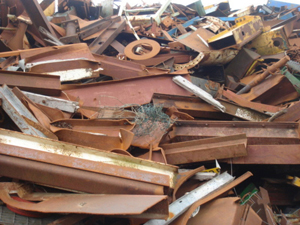
Is Metal Recyclable? Uncovering the Infinite Potential of Scrap
When you toss a soda can into the recycling bin or clear out old copper pipes from a renovation, a common question might cross your mind: Is metal recyclable, or is it just downcycling into something lesser?
The short answer is remarkably positive: Yes, metal is 100% recyclable. In fact, it is one of the few materials on earth classified as “permanent.” This means it can be recycled forever, over and over again, without losing any of its quality or structural integrity .
From the aluminum in your kitchen foil to the steel beams supporting buildings, metal retains its properties through infinite lifecycles. In this article, we’ll explore why metal is so recyclable, how the process works, and the massive environmental and economic benefits of choosing scrap over virgin mining.
The Simple Truth: Metal is a Permanent Material
To understand why metal is the champion of recycling, we have to look at its atomic structure. Unlike paper, which breaks down into shorter fibers, or plastic, which can degrade, metal is an element. Approximately 80% of all known chemical elements are categorised as metals .
When we recycle metal, we are simply melting it down and reforming it. The atoms themselves remain unchanged. This is why the British Metals Recycling Association emphasizes that metal is “permanent”—it doesn’t deteriorate. The aluminum can you recycle today could be back on a supermarket shelf as a new can in as little as 60 days .
The Environmental Case: Why Recycling Matters
If metal is permanent, why not just mine new stuff? While the material itself is durable, the process of extracting it from the earth is incredibly destructive. Mining virgin ore requires massive deforestation, habitat destruction, and immense energy consumption.
Recycling offers a powerful alternative:
- Climate Impact: Recycling metal emits 80% less CO2 compared to production from raw materials .
- Energy Savings: Recycling steel uses 70% less energy than mining and refining iron ore. For aluminum, the savings are even more dramatic—95% less energy than producing it from bauxite .
- Resource Conservation: For every tonne of recycled steel, we save 1.5 tonnes of iron ore and 0.5 tonnes of coal from being mined .
Recent data from the Bureau of International Recycling (BIR) highlights that the carbon savings from using recycled steel are equivalent to the emissions of entire countries, saving trillions of litres of water annually .
Ferrous vs. Non-Ferrous: Understanding the Two Families
Not all metals are the same, and the recycling industry splits them into two main categories. Understanding the difference can help you identify what you have and how valuable it might be.
Ferrous Metals (Iron and Steel)
Ferrous metals contain iron. They are strong, durable, and magnetic. This is the most commonly recycled material in the world because it is used in everything from cars to bridges.
- Examples: Steel beams, old cars, food cans (often called “tin cans,” though they are actually steel), and household appliances.
- How to Identify: Use a magnet. If it sticks, it’s ferrous.
- Fun Fact: Steel is a man-made alloy of iron and carbon, and it is the most widely used metal on the planet .
Non-Ferrous Metals
These metals do not contain iron. They are generally more resistant to corrosion and are often valued higher in the scrap market because they are rarer.
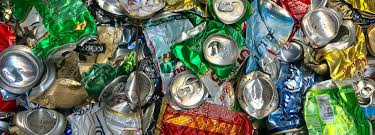
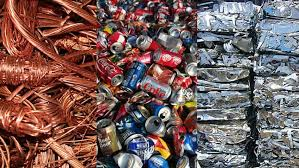
- Examples: Aluminum (cans, foil), Copper (wiring, pipes), Lead, Zinc, and precious metals like Gold and Silver.
- How to Identify: A magnet will not stick.
- Fun Fact: Copper is so durable that 60% of all copper produced since the 1900s is still in use today .
How Scrap Metal is Recycled: The Journey of a Can
The process of turning your old scrap into a brand-new product is a fascinating journey of technology and physics. It generally follows these steps:
1. Collection
Metal is gathered from various sources: curbside recycling bins, industrial sites, demolition projects, and dedicated scrap yards .
2. Sorting
This is a critical step. While magnets easily pull out ferrous metals (like steel), separating different non-ferrous metals requires advanced tech. Recyclers use eddy current separators to repel aluminum and copper, and even X-ray Fluorescence (XRF) to identify specific alloy compositions to ensure purity .
3. Shredding and Preparation
Large items like cars or washing machines are shredded into smaller pieces to make melting easier. Contaminants like plastic or wood are removed, and materials may be baled for efficient transport .
4. Melting and Purification
The clean scrap is loaded into massive furnaces. An Electric Arc Furnace, for example, can use up to 100% scrap metal to create new steel . The molten metal is then refined to remove any remaining impurities, often through electrolysis to achieve high purity levels .
5. Solidification and Reuse
The purified liquid metal is cooled and formed into ingots, sheets, or bars. These are then sold to manufacturers to be made into new cars, cans, or construction materials .
The “Urban Mine”: Why Your Junk Drawer is a Goldmine
We often think of mining as something that happens in remote mountains, but cities are becoming the new mines. This concept is called Urban Mining.
The waste we send to landfills still contains valuable metal. It is often easier, cheaper, and safer to reclaim this metal from the recycling stream than to dig it up from the ground later .
This is particularly true for electronics. Your old mobile phone is a treasure trove of materials.
- Did you know that one tonne of smartphones can contain 300 times more gold than one tonne of gold ore? .
- In fact, the Olympic medals for the Tokyo 2020 games were made entirely from 78,985 tons of recycled electronic devices, including mobile phones .
Can All Metal Be Recycled?
While metal itself is infinitely recyclable, the products containing metal can sometimes cause issues. Here are a few caveats to keep in mind:
- Composite Items: A nonstick frying pan has a chemical coating that makes the metal underneath hard to recycle. Similarly, items like gas grills or electronics need to be disassembled so the metal parts can be separated from the plastic and hazardous components .
- Hazardous Waste: Items like paint cans, oil cans, and propane tanks are often treated as hazardous waste if they contain residues. However, if cleaned properly, the metal can still be recycled .
- Battery Safety: While batteries contain valuable metals like lithium, cobalt, and nickel, they are incredibly dangerous if crushed. Lithium-ion batteries can cause massive fires in recycling trucks and facilities. They must be recycled separately, never thrown in with general scrap .
How You Can Participate (and Even Get Paid)
Recycling metal isn’t just good for the planet; it can be good for your wallet.
- Curbside Programs: Most curbside programs accept aluminum and steel cans easily. Just make sure to rinse them out to avoid contamination .
- Scrap Yards: If you have larger items like old copper piping, aluminum siding, or a rusty barbecue, you can take it to a local scrap yard.
- Preparation: To get the best price, separate your metals (keep copper separate from steel) and try to remove any non-metal parts .
The Future is Circular
As the world pushes toward Net Zero emissions, metal recycling will play an even bigger role. With over 90% of global steel production now originating from countries with strong decarbonisation targets, the demand for “green steel” made from scrap is skyrocketing .
Recycled metal isn’t a lesser product; it is the key to a sustainable future. Because of its unique properties, your old car could become a new bicycle, and that bicycle could eventually become part of a bridge. The potential is truly limitless .
Key Takeaways
- Yes, metal is infinitely recyclable without quality loss.
- Recycling saves up to 95% of the energy needed to make new metal from ore.
- Steel is magnetic and makes up the bulk of recycled material; aluminum and copper are high-value non-ferrous metals.
- Even precious metals like gold are recovered from old electronics.
- Always recycle batteries separately to prevent fires.
So next time you hold an aluminum can, remember: you’re not holding trash. You’re holding a permanent resource with an infinite number of lives ahead of it. Is Metal Recyclable
Is Metal Recyclable >> Is Metal Recyclable >> Is Metal Recyclable >> Is Metal Recyclable >> Is Metal Recyclable >> Is Metal Recyclable >> Is Metal Recyclable Is Metal Recyclable >> Is Metal Recyclable >> Is Metal Recyclable >> Is Metal Recyclable >> Is Metal Recyclable >> Is Metal Recyclable
